


Navigating Chicago: Why Certified Honda Service is a Must
Author: Victory Honda of Chicago Northside
Keeping your Honda in top condition is about more than just routine maintenance; it’s an investment in your safety and peace of mind on the unpredictable roads of Chicagoland. From the Kennedy Expressway gridlock to lake-effect snow, local driving conditions demand the best from your vehicle. As a dealership with a long history of serving the Chicago community, Victory Honda of Chicago Northside understands what it takes to keep your car performing reliably year-round. Choosing a Honda-certified service department ensures your vehicle receives expert care from technicians who use genuine parts and advanced tools, protecting its value and dependability.
Key Takeaways (TL;DR)
Here’s a quick overview of why specialized care for your Honda is so important in the Chicago area:
- Protect Your Vehicle’s Value: Using a certified center with genuine Honda parts helps maintain your vehicle’s resale value, which is a significant strength for the brand according to sources like Kelley Blue Book.
- Expertise for Modern Hondas: Factory-trained technicians possess the specific skills to service complex systems like the Honda Sensing® suite and the advanced hybrid powertrains in models such as the Accord Hybrid.
- Convenience for City Life: Look for service centers that offer amenities like loaner vehicles, shuttle services, and easy online scheduling to accommodate your busy Chicago schedule.
- Trust and Transparency: A quality service center provides clear, upfront estimates, explains necessary repairs without pressure, and maintains detailed digital records of all work performed.
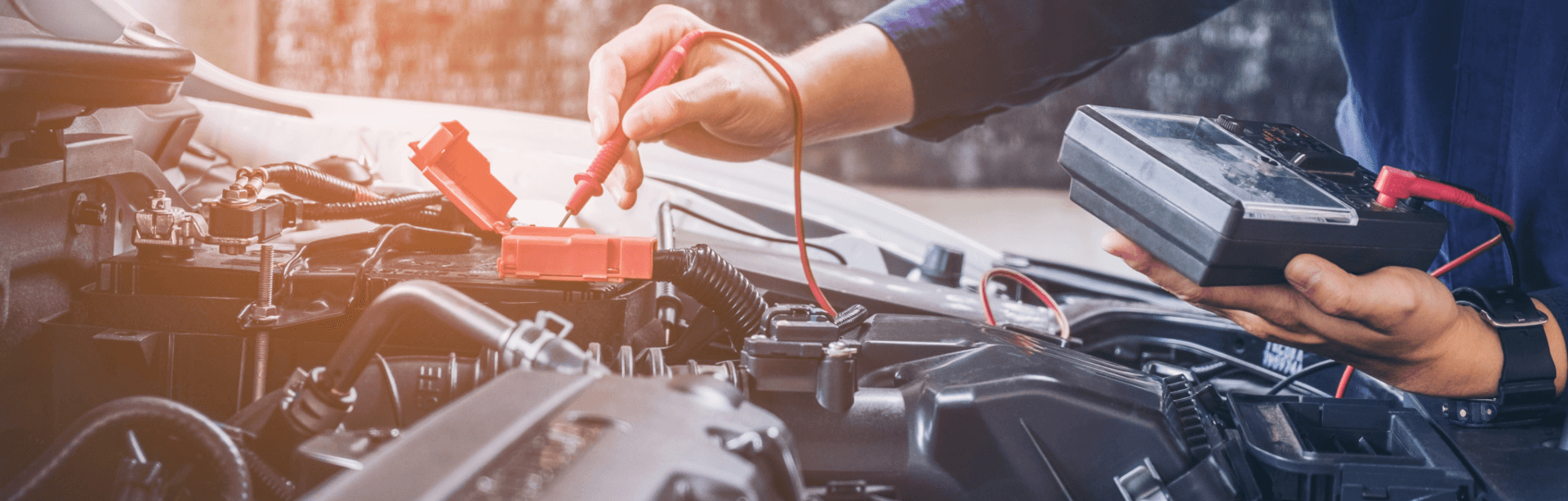
- The Right Diagnostic Tools: Certified shops utilize Honda’s proprietary diagnostic equipment, such as the Modular Vehicle Communication Interface (MVCI), for the most precise and accurate service.
- Guaranteed Quality Repairs: Work performed at a certified dealership is backed by a warranty, giving you confidence long after you drive away.
- Understanding Local Conditions: A local dealership knows how Chicago’s harsh winters and humid summers affect your vehicle, from your brakes to your battery.
What Are the Main Advantages of a Certified Honda Service Center?
Opting for a certified Honda service center provides clear benefits that safeguard your vehicle’s performance and your investment. These advantages guarantee that your Honda gets the highest level of care, tailored specifically to its design.
Using genuine Honda parts, often called OEM (Original Equipment Manufacturer) parts, is a cornerstone of quality service. These components are engineered for your specific model, ensuring a perfect fit and optimal performance while upholding your factory warranty. Technicians at certified centers undergo continuous training directly from Honda. This gives them specialized knowledge of every system, from your Accord’s engine to your Pilot’s sophisticated safety features.
Many newer Honda models include the Honda Service Pass program. Certified centers are authorized to perform the complimentary maintenance covered by this plan, which saves you money on crucial first-year services. Additionally, every visit is documented in Honda’s national service database. This creates a comprehensive and easily accessible service history, a significant benefit for warranty claims and a factor that can enhance your car’s resale value, a point often noted by experts at Edmunds.
Taking your vehicle to an uncertified shop for a trip through Evanston or a commute from Niles can introduce risks. You might receive aftermarket parts that don’t meet factory standards, an inaccurate diagnosis, or potentially void parts of your warranty.
Why is a Certified Shop Different from a Non-Certified One?
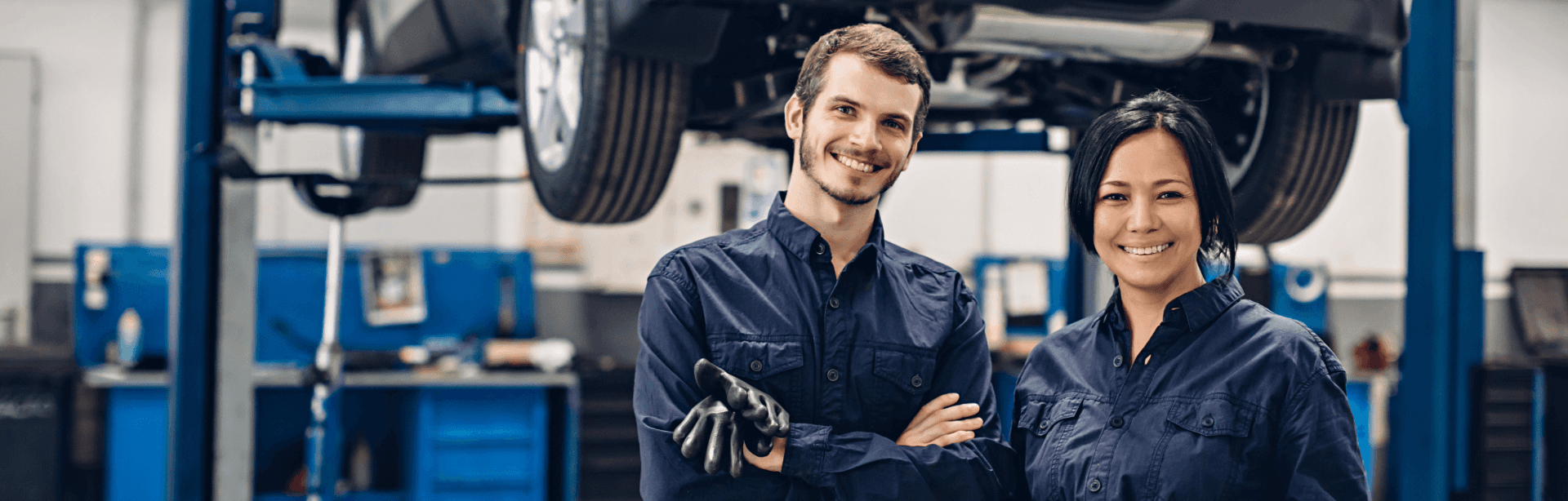
When your Honda needs service, the decision between a certified dealership and a general mechanic involves more than just location or price. It comes down to a difference in technical skill, the equipment used, and the financial protection you receive.
A certified shop is essential for maintaining your Honda’s exact factory specifications. While independent shops are plentiful, they often do not have the specialized, ongoing training required for the latest Honda technologies. The distinction between a certified dealership and a local mechanic has a major impact on everything from technical expertise to the tools used for repairs. Making an informed choice directly influences your vehicle’s performance, longevity, and future trade-in value.
An authorized Honda dealership is your best resource for keeping your vehicle in line with factory standards. Because these establishments are directly affiliated with the manufacturer, they receive the latest service bulletins, training modules, and diagnostic tools needed for today’s complex cars. The intricate nature of modern automotive engineering, especially in areas like advanced driver-assistance systems (ADAS), hybrid powertrains, and networked electronics, makes the manufacturer-specific training at dealerships a critical advantage for owners.
What Does “Honda-Certified” Really Involve?
A service department authorized by American Honda Motor Co. must meet stringent standards. This certification is not just a label; it’s a promise of quality and expertise across several key areas:
- Ongoing Technician Training: Technicians receive continuous education from Honda. This covers everything from traditional gasoline engines to the advanced hybrid systems in the 2025 CR-V Hybrid and all-electric models like the Prologue.
- Exclusive Use of Genuine Parts: Only genuine Honda parts are used for repairs. Each of these components is backed by its own manufacturer warranty, ensuring reliability and a perfect fit.
- Access to Proprietary Information: Certified centers have access to Honda’s specialized diagnostic tools and a direct line to technical service bulletins (TSBs). This means they receive the latest repair information and software updates straight from the engineers who designed your car.
- Warranty Protection: All service work is meticulously documented in a manner that preserves your factory warranty and any extended protection plans. This is a crucial step in protecting your investment.
- High Customer Satisfaction: Dealerships must maintain high customer satisfaction scores. Honda regularly monitors these metrics to ensure every owner receives a consistently positive and trustworthy experience.
What Services Should a Premier Honda Service Department Provide?
A top-tier Honda service department offers a comprehensive range of services designed to care for your vehicle throughout its entire lifespan. It goes far beyond simple oil changes to provide expert support for every component of your Honda.
Here are the core services you should expect from a leading service center in the Chicago area:
- Routine Maintenance: This covers essential services like oil changes, tire rotations, brake inspections, and fluid checks. These are all performed according to the specific maintenance schedule recommended by Honda for your model and mileage.
- Major Mechanical Repairs: From complex engine diagnostics to transmission service, a certified center is equipped to handle any major mechanical issue. Technicians use genuine Honda parts and specialized tools to ensure the job is done correctly.
- Honda Service Pass Fulfillment: A reputable service center will honor programs like the Honda Service Pass. This ensures you receive the complimentary maintenance you are entitled to with the purchase of a new vehicle.
- Specialized EV and Hybrid Service: With the growing popularity of models like the CR-V Hybrid and the all-electric Prologue, specialized service is crucial. This requires specific training in battery diagnostics, inverter maintenance, and electric motor repairs.
- Complex Electronics Diagnosis: Using tools like Honda’s advanced diagnostic system, technicians can accurately pinpoint and fix issues with complex electronic systems, including Honda Sensing® and other ADAS features.
- Tire Sales and Service: A full suite of tire services is vital for safety, especially on slick winter roads. This should include mounting, balancing, rotation, and alignment to maximize the life and performance of your tires.
- Comprehensive Brake Services: Dependable brakes are non-negotiable for navigating city traffic on streets like Lincoln Avenue. Services should include inspections, pad and rotor replacement, and brake fluid flushes.
- Battery Testing and Replacement: A certified center should offer testing, replacement, and recycling for both standard 12V and hybrid/EV batteries. This ensures your vehicle starts reliably, even on the coldest Chicago mornings.
- Heating and Air Conditioning Service: Proper function of your heating and A/C is essential for comfort, from sweltering summer days to freezing winter nights. Diagnosis and repair of these systems keep you comfortable year-round.
- Safety Recalls and TSBs: Certified centers automatically check for and perform any open safety recalls. They also handle Technical Service Bulletins (TSBs) to keep your vehicle updated with the latest manufacturer-recommended improvements.
- Express Maintenance Options: For drivers needing quick maintenance, an express service option for oil changes or tire rotations can save valuable time and get you back on your way without a lengthy appointment.
For drivers needing quick maintenance, an express service option for oil changes or tire rotations can save valuable time and get you back on your way without a lengthy appointment.
Does a Dealership’s Technology Offer a Real Advantage?

Yes, absolutely. Modern Honda vehicles are essentially powerful computers on wheels, and a certified service department’s technology provides a significant advantage. The best centers invest heavily in diagnostic tools and software created specifically for Honda vehicles.
This technological superiority leads to more accurate diagnoses and more efficient repairs. It ensures that complex systems, such as ADAS features and hybrid powertrains, are serviced correctly every single time. Certified Honda dealerships use the Modular Vehicle Communication Interface (MVCI). This is the official factory-standard diagnostic system that enables deep-level diagnostics, crucial software updates, and precise calibrations of features like the Lane Keeping Assist System within Honda Sensing®.
In contrast, many independent shops rely on generic OBD-II scanners. These tools can typically only read basic engine codes and lack the capability to properly diagnose or recalibrate many of Honda’s specialized electronic systems. Furthermore, service departments with advanced tech integrate your digital service records into Honda’s national database. This creates a complete and verifiable history for any future warranty claims and can boost your car’s resale value. Finally, modern dealerships enhance the customer experience with conveniences like online scheduling and real-time service updates via text messages, providing full transparency.
This dedication to technology means your Honda receives the most precise and reliable care possible, offering you unparalleled peace of mind.
How Do Chicago’s Driving Conditions Affect Your Honda?
Driving in and around Chicago, Lincolnwood, and Skokie presents a unique set of challenges that put significant strain on any vehicle. From brutal winters to construction-filled summers, your Honda’s various systems are constantly put to the test.
- Potholes and Rough Roads: After a long winter, Chicago’s roads are notorious for potholes. Hitting one can damage your tires, knock your wheels out of alignment, or even harm your suspension. Regular alignment checks are crucial for preventing uneven tire wear and ensuring proper handling.
- Extreme Temperatures: The temperature swings from humid 90-degree summer days to sub-zero winter nights can be tough on your battery, engine fluids, and A/C system. A weak battery is more likely to fail in extreme cold, while an overtaxed A/C system can struggle in the summer heat.
- Stop-and-Go Traffic: Daily commutes on the Edens Expressway (I-94) or Lake Shore Drive involve constant braking and accelerating. This stop-and-go driving puts extra wear on your brake pads, rotors, and transmission. Regular brake inspections and fluid checks are essential for safety and longevity.
- Salt, Snow, and Ice: Road salt used during Chicago winters is highly corrosive and can accelerate rust formation on your vehicle’s undercarriage, brake lines, and exhaust system. Getting regular car washes, especially ones with an underbody spray, can help mitigate this damage.
How Can You Get the Most From Your Service Appointment?
A little preparation before your service visit can make the entire process smoother and more effective. Taking a few simple steps helps ensure that you and your service advisor are aligned on your vehicle’s needs.
Before you head to the dealership, write down any specific issues you’ve noticed. This might include a strange noise, a dashboard warning light, or a change in how the car drives. The more details you can provide, the easier it will be for the technician to diagnose the problem correctly.
It’s also helpful to remove personal items and clutter from your vehicle. This gives the technicians unobstructed access to all areas of your car and prevents anything important from being misplaced during the service. If your Honda has locking lug nuts on the wheels, be sure to bring the special key. This is required for any service that involves removing the wheels, such as a tire rotation or brake inspection.
Finally, don’t hesitate to ask your service advisor questions. A good advisor will take the time to explain the recommended services and why they are necessary, helping you make confident decisions about your vehicle’s care.
What Are the Telltale Signs of a Trustworthy Honda Service Department?
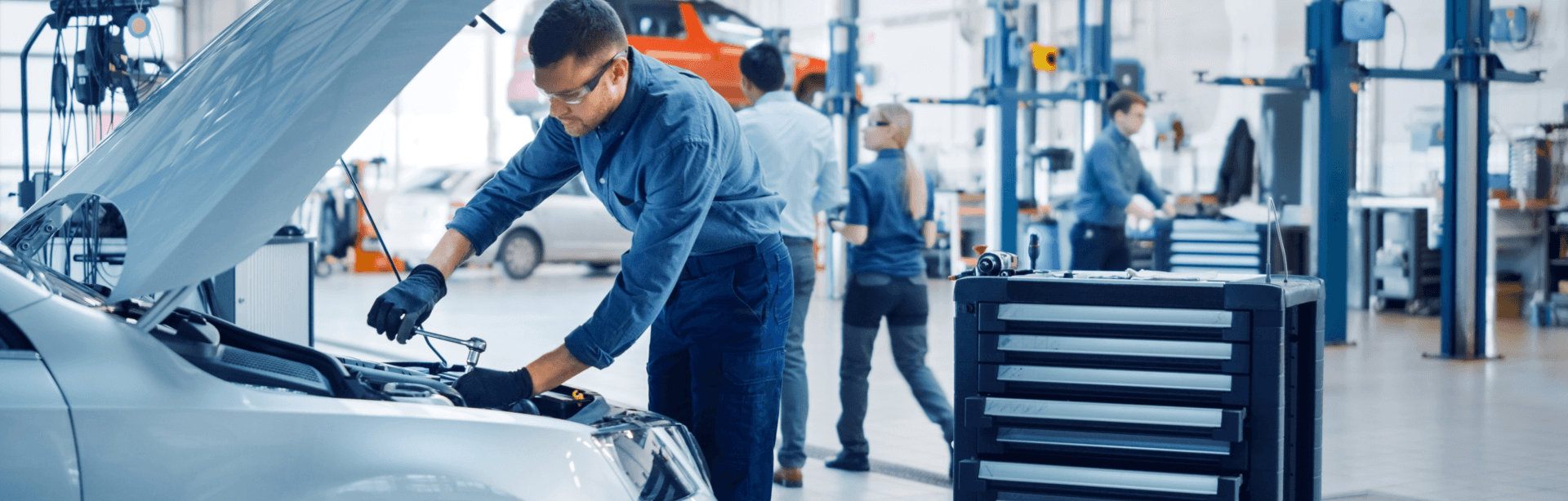
Not all service departments are created equal. Identifying a Honda service center with a strong reputation for integrity can save you from future stress and unnecessary expenses. There are clear indicators that separate a high-quality dealership from the rest, reflecting a commitment to both excellent work and customer satisfaction.
So, how can you determine if a service center is reputable? Look for these key signs:
- Strong Customer Reviews: Pay close attention to reviews that mention honesty, clear communication, and high-quality repairs from other Chicago-area drivers.
- Certified and Specialized Technicians: Inquire if their team includes Honda Master Certified or Hybrid Certified technicians. This confirms they have achieved the highest level of factory training available.
- Transparent, Upfront Estimates: You should always receive a clear, itemized estimate that breaks down the costs of parts and labor. A trustworthy shop will not have hidden fees or surprise you with unexpected charges.
- Proper Service Documentation: An excellent service center will log all work in Honda’s national database. This is vital for warranty claims and proves a consistent history of proper maintenance when it’s time to sell your car. You can also review this history on resources like Carfax.
- Amenities That Respect Your Time: Conveniences such as loaner vehicles, a local shuttle service, and simple online scheduling show that a shop values your time and understands the demands of a busy schedule.
What Service Warning Signs Should You Watch For?
Conversely, certain red flags should make you reconsider your choice of service center. Be wary of shops that exhibit the following behaviors:
- Vague Estimates: An estimate that provides only a lump-sum charge without a detailed breakdown of costs is a major warning sign.
- Lack of Visible Certifications: If the service department cannot provide details about their technician training and certifications, it may indicate a lack of specialized expertise.
- High-Pressure Sales Tactics: You should never feel pressured to approve services that are not supported by a clear diagnostic result or part of your vehicle’s recommended maintenance schedule.
- Poor Documentation: A failure to provide proper documentation for the services completed can create problems for you down the road, especially with warranty issues.
A Honda dealership that is focused on building a long-term relationship will always prioritize education and integrity. If you feel like you are being sold to rather than served, it is wise to find another service center.
Frequently Asked Questions (FAQs)
How often does my Honda need an oil change in Chicago?
Most modern Honda vehicles suggest an oil change every 7,500 to 10,000 miles, but your car’s Maintenance Minder system will provide the most accurate timing. Given the mix of city and highway driving in the Chicago area, it’s best to follow the system’s alerts.
Is it okay to use aftermarket parts for Honda repairs?
While some aftermarket parts might seem cheaper initially, genuine Honda OEM parts are always the recommended choice. They are designed specifically for your vehicle, ensuring a proper fit and optimal performance while keeping your warranty valid.
When should I think about replacing my brakes?
You should have your brakes inspected at least once a year or if you notice any squeaking, grinding, or a spongy feel in the brake pedal. The frequent stop-and-go traffic around areas like Skokie and Niles can lead to faster brake wear.
Does Honda provide any free maintenance on new cars?
Yes, many new 2023 and newer Honda vehicles come with the Honda Service Pass. This complimentary program covers certain factory-scheduled maintenance, including oil changes and tire rotations, for the first 2 years or 24,000 miles.
What does it mean if my check engine light is on?
The check engine light can indicate anything from a loose gas cap to a more significant engine problem. The only way to know for sure is to have it diagnosed at a certified service center with the proper equipment, like the Honda MVCI system. For more information on what warning lights mean, you can check resources like Consumer Reports.
Do I have to get my Honda serviced at a dealership?
While you have the option to go elsewhere, choosing a Honda-certified service center is highly recommended. Certified technicians have the factory training, genuine parts, and proprietary diagnostic tools necessary to maintain your vehicle to the manufacturer’s high standards and protect your warranty.
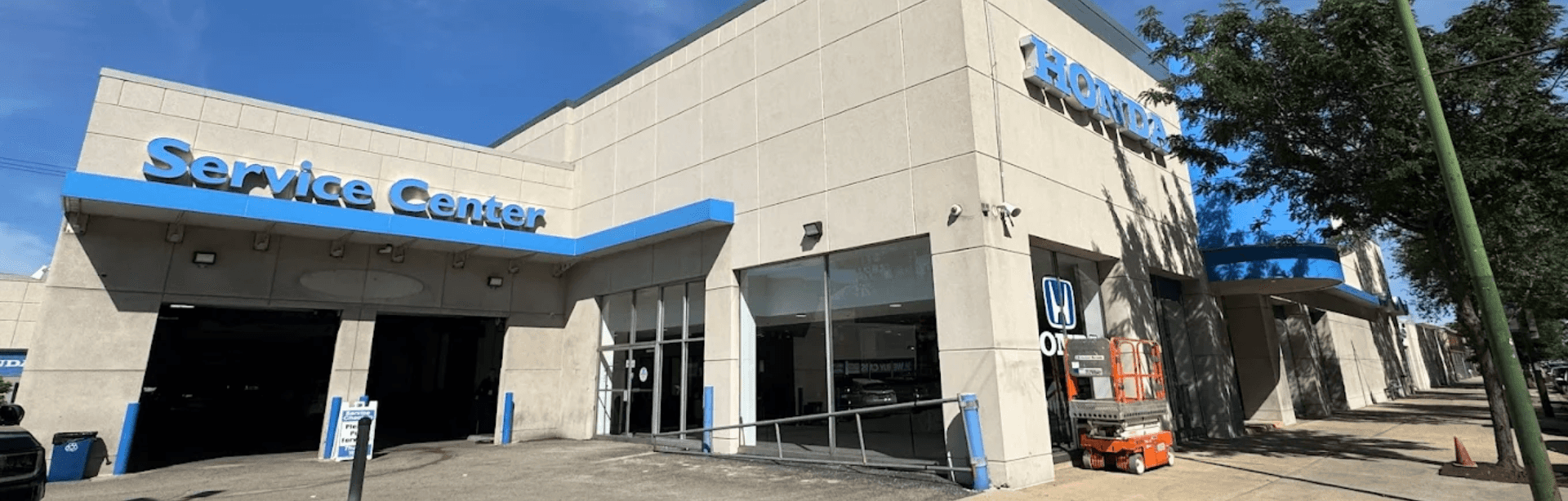
About Victory Honda of Chicago Northside
Victory Honda of Chicago Northside has been proudly serving the community for over 50 years, committed to providing an exceptional customer experience. Our dealership is dedicated to being a trusted partner for all your automotive needs, from sales to expert service. We strive to build lasting relationships with our customers in Chicago, Evanston, and beyond by delivering quality, transparency, and integrity in everything we do.
Related Articles:
A Chicago Driver’s Guide to Choosing the Right Honda Dealership